
Jerking between gears
Reproduce it and separate transmission behaviour from engine torque and mounts.
Read the gearbox-jerking guide
Mercedes model expertise
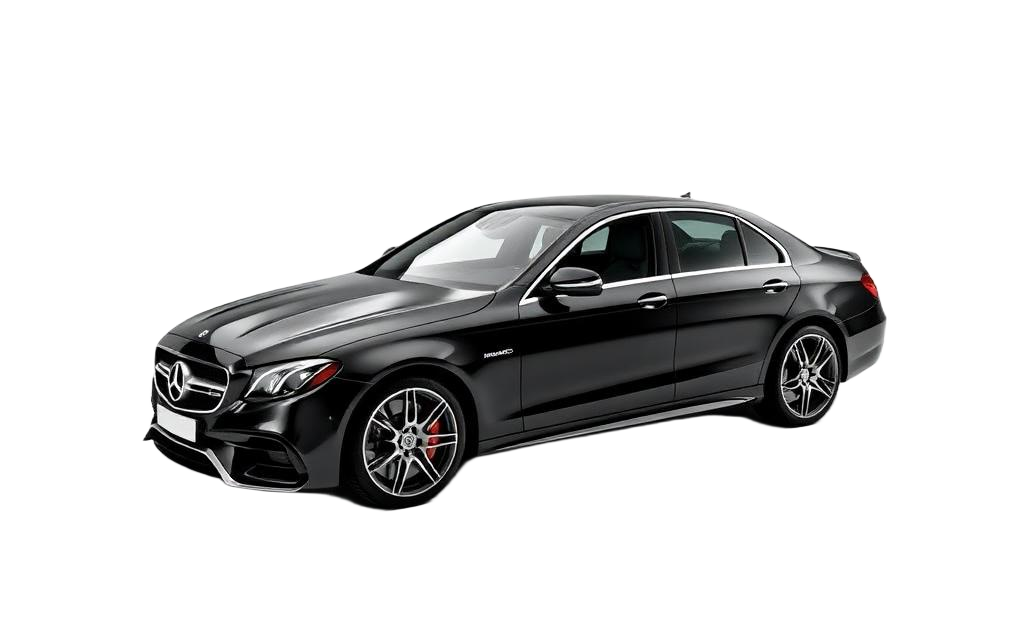
E-Class generations vary from conventional petrol and diesel W212 models to W213 and W214 vehicles with 9G-TRONIC, 48-volt assistance, plug-in hybrid options and increasingly networked chassis systems. Digi-Tec identifies the fitted configuration before setting the service or diagnostic scope.
Send the VIN, model year, mileage, warning text and when the symptom occurs. Workshop scope is confirmed for the exact vehicle.
Platforms covered
Badges can span several engine and chassis generations. Final compatibility is checked from the VIN and fitted systems.
Model-specific systems
Service A/B information should be reconciled with time, mileage and completed work. The model badge alone cannot identify the correct oil approval, filter set, brake package or transmission procedure.
W212, W213 and W214 cover several engine families. A conservative diagnostic process starts with the engine code and fault context rather than a list of “common failures”.
E-Class shift quality depends on transmission hardware, software, adaptations, fluid condition, engine torque and mounts. A road test and live data should guide whether the next step is maintenance, electrical testing or internal repair.
Many E-Class vehicles use steel springs, while optional AIRMATIC and estate-specific rear levelling appear on selected variants. Identifying the fitted system prevents a steel-suspension noise from being described as an air fault—or vice versa.
An E-Class that cools well on the motorway but poorly in traffic may have an airflow or compressor-control problem; the opposite pattern can point elsewhere. Pressure, temperature and fan data make the distinction.
The E-Class uses multiple networks and, on later models, 48-volt or high-voltage systems. Low 12-volt supply can still be the first cause of apparently unrelated warnings.
Start with the symptom
These guides explain what the symptom can mean and when to stop driving. They are informational; the commercial repair page is linked separately after diagnosis.
Reproduce it and separate transmission behaviour from engine torque and mounts.
Read the gearbox-jerking guideApplicable only to air-equipped variants and requires leak isolation.
Read the suspension-drop guideThe warning can indicate a charging-system fault rather than a battery needing replacement.
Read the battery-warning guideBattery, starter, authorization and engine inputs require different checks.
Read the no-start guideFan, airflow, pressure and compressor command should be checked.
Read the AC guideRelevant Digi-Tec services
Service items matched to engine, gearbox and history.
View service7G/9G diagnosis and fluid work for the identified unit.
View serviceSteel and air-suspension inspection based on fitted equipment.
View serviceNetwork and system diagnosis for engine, chassis and body warnings.
View serviceQuestions before booking
Useful answers first; vehicle-specific decisions still depend on inspection and recorded evidence.
Arrange the right first inspection
Send the VIN, year, mileage, warning message and symptoms. Digi-Tec will confirm the appropriate inspection and available booking options before work begins.