
Start with the exact warning and what changed
A Mercedes warning can have several possible causes. This overview helps you describe the concern and find the relevant guide. The cause must be checked against the model year, engine, fitted systems, service history and current test results before a repair is recommended.
Follow the instructions in the vehicle handbook and the displayed message. If it calls for stopping, or the car has severe overheating, loss of braking or steering control, an unsafe ride height or another immediate safety concern, stop in a safe place and arrange assistance. Do not keep driving simply to reproduce a fault.
Engine warnings, cooling changes and leaks
Record whether a check-engine light is steady or flashing and whether rough running, reduced power, smoke or a temperature warning accompanies it. Coolant loss or oil beneath the car needs source identification. Scan information, physical inspection and system tests help separate possible causes; an engine name or stored code does not establish which component needs replacement.
Continue with the symptom that matches the car:Check-engine warningEngine overheatingOil-leak symptomsMechanical assessment and repair
Suspension warnings and dropping after parking
Confirm which suspension is fitted. AIRMATIC is one system, not a feature of every Mercedes. On an air-sprung car, a low corner, repeated compressor operation or a levelling warning can prompt checks of leaks, pressure generation, valves, sensors and electrical supply. A warning message and an overnight height change are related observations, but each gives different diagnostic context.
Use the focused guides for the observation:AIRMATIC malfunction messageSuspension dropping overnightMercedes suspension assessment
Gearbox jerking, slipping or delayed engagement
Describe when the behaviour occurs: cold or warm, selecting a gear, changing up or down, or accelerating under load. Jerking and slipping are different symptoms. Identify the installed gearbox and relevant service history before deciding whether fluid service, a control-system investigation or mechanical repair is appropriate. Fresh fluid is not a guaranteed repair for a shift fault.
Read the matching guide before discussing repair scope:Gearbox jerkingTransmission slippingMercedes transmission assessment
Battery warnings, repeated discharge and no-start
Record the precise message and whether the vehicle cranks, clicks or does not respond. A battery warning does not prove that the main or auxiliary battery needs replacement. Battery condition, charging, connections and a possible drain need the relevant tests. Multiple warnings may share a voltage or communication cause, so replacing several modules from code names alone is not a diagnosis.
Separate the warning from the confirmed job:Battery-warning guideMercedes will not startCharging, wiring and repeated battery drain
Weak AC, frozen screens and sound-system concerns
For AC, distinguish weak airflow from air that flows normally but is warm, and note whether the fault changes in traffic or between cabin zones. Refrigerant top-up does not resolve every cause. For a frozen or black COMAND/MBUX display, describe the installed system, resets and other lost functions. Restoring faulty equipment is a different task from improving a working sound system.
Choose the relevant next step:AC not coolingCOMAND, MBUX and head-unit fault assessmentUpgrade a functioning Mercedes audio system
Prepare useful evidence before the assessment
- ▸Model, year, mileage and relevant service or repair records.
- ▸The exact message, a safe photograph and when the concern occurs.
- ▸Whether the symptom depends on temperature, speed, parking time or a recent repair.
- ▸What was tested before, including any invoices and diagnostic findings.
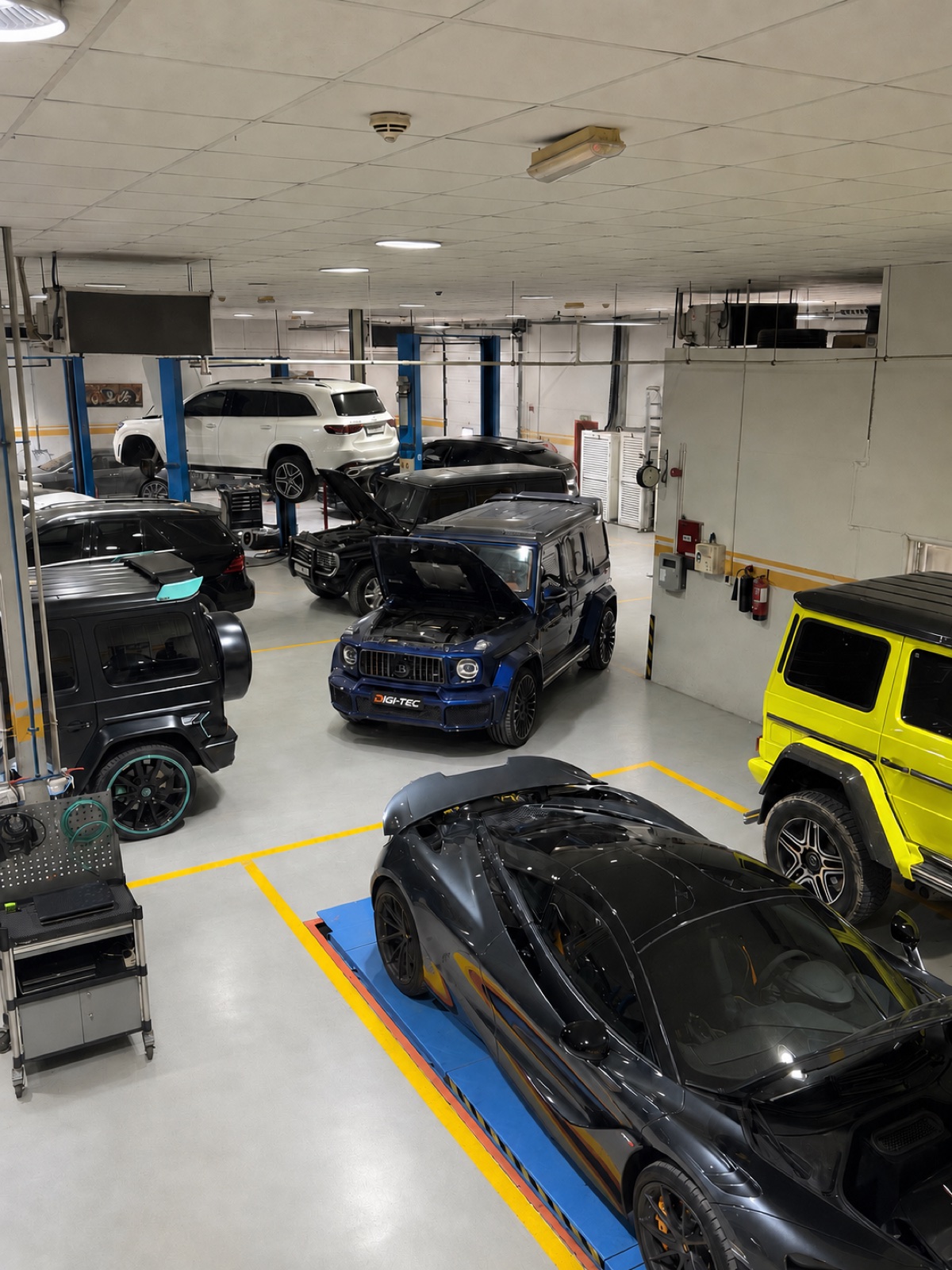
DIGI-TEC has XENTRY. The useful diagnostic scope still depends on the vehicle, module and supported function, and scan findings need to be checked against the complaint and appropriate physical tests. Ask what is confirmed, what still needs investigation and what post-repair checks are proposed.
For the assessment or planned maintenance:Mercedes XENTRY diagnosticsBuild a maintenance planMercedes service and repair options
FAQs
Can a fault code tell me which part to replace?
A code identifies a recorded condition or system concern. It needs the vehicle context, supporting data and appropriate tests before a failed component is confirmed.
Should I wait until the next scheduled service?
A new fault is separate from the maintenance schedule. Follow the warning instructions, describe the concern promptly and confirm whether the vehicle can be driven safely before arranging the assessment.
Will a diagnosis guarantee that no other fault develops?
No. A diagnosis addresses the agreed concern and evidence available at the time. Ask what was tested, any limits of the assessment and which observations require follow-up.